

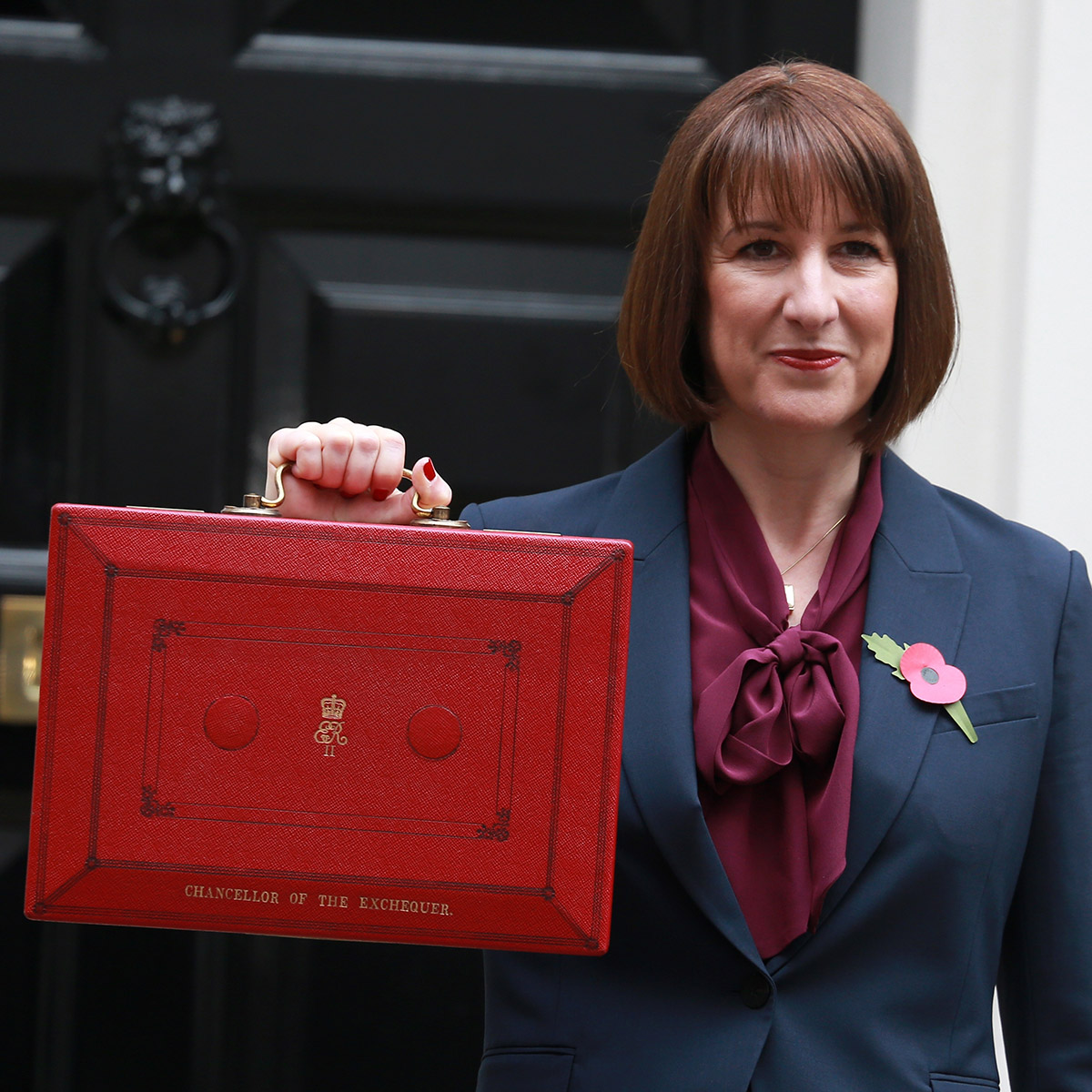
For M&A lawyers, the focus on the 2024 budget was all around Business Asset Taper Relief (formerly known as Entrepreneurs’ Relief). The changes reduced the Capital Gains Tax discount available to entrepreneurs, impacting those who want to sell their business.
While this attracted much of the attention in the immediate aftermath of the budget, the adjustment to Inheritance Tax (IHT) on qualifying business assets over £1m value, which comes into effect in April 2026, has been less talked about. Still, for some business owners, it will be significant and have a more profound long-term impact.
Previously, IHT was not applied to qualifying business assets of any value (essentially investments in trading businesses), which allowed shares and assets in family businesses to be transferred free from IHT on the death of a founder. This benefited the next generation, preserving intergenerational wealth and allowing for business continuity.
The new regime means this relief is capped. These shares would attract 100% IHT relief on the first £1m of value, then 50% relief for everything over £1m (an effective rate of 20% IHT). If the shares were valued at £5m, 20% tax would apply to £4m, leaving a liability of £800,000 (assuming no other issues or available reliefs). If several shareholders in a successful private company were involved in a fatal accident (or died within a short timeframe), this could impose a big financial pressure on their business and the surviving shareholders. Bear in mind that, unlike a sale situation, the business will be valued for IHT purposes, but no cash will be available to pay the tax.
This change has prompted many business owners to revisit their succession plans. For some, this could mean the transfer of their wealth to future generations during their lifetime; for others, bringing forward exit plans. Life cover may also be used to provide finance to meet the tax liabilities.
The choice will depend on the skills and interests of family/management teams, but founders often find decision-making around succession hard. While we all expect to live forever, this is something we cannot control, and younger shareholders need to plan for succession earlier.
The change to IHT on business assets in April 2026 doesn’t just signal a change in tax—it sends a clear message: business succession is no longer a back-burner issue. The cost of inaction, both emotional and financial, has just increased.
DMH Stallard’s Corporate team is working more closely with our Wills and estate planning team to make sure our clients are able to plan effectively. Utilising directors’ loans to mitigate IHT is being employed by some. For generational family companies, alphabet shares and growth shares can be used to bring family members into the business earlier, while keeping control with the founder.