
Land in the Southeast is costly. When timescales are tight and expectations are high, you need to make informed choices about expansion or new properties. Whether you are developing a commercial or industrial building in this part of the country, the structure needs to work hard from day one.
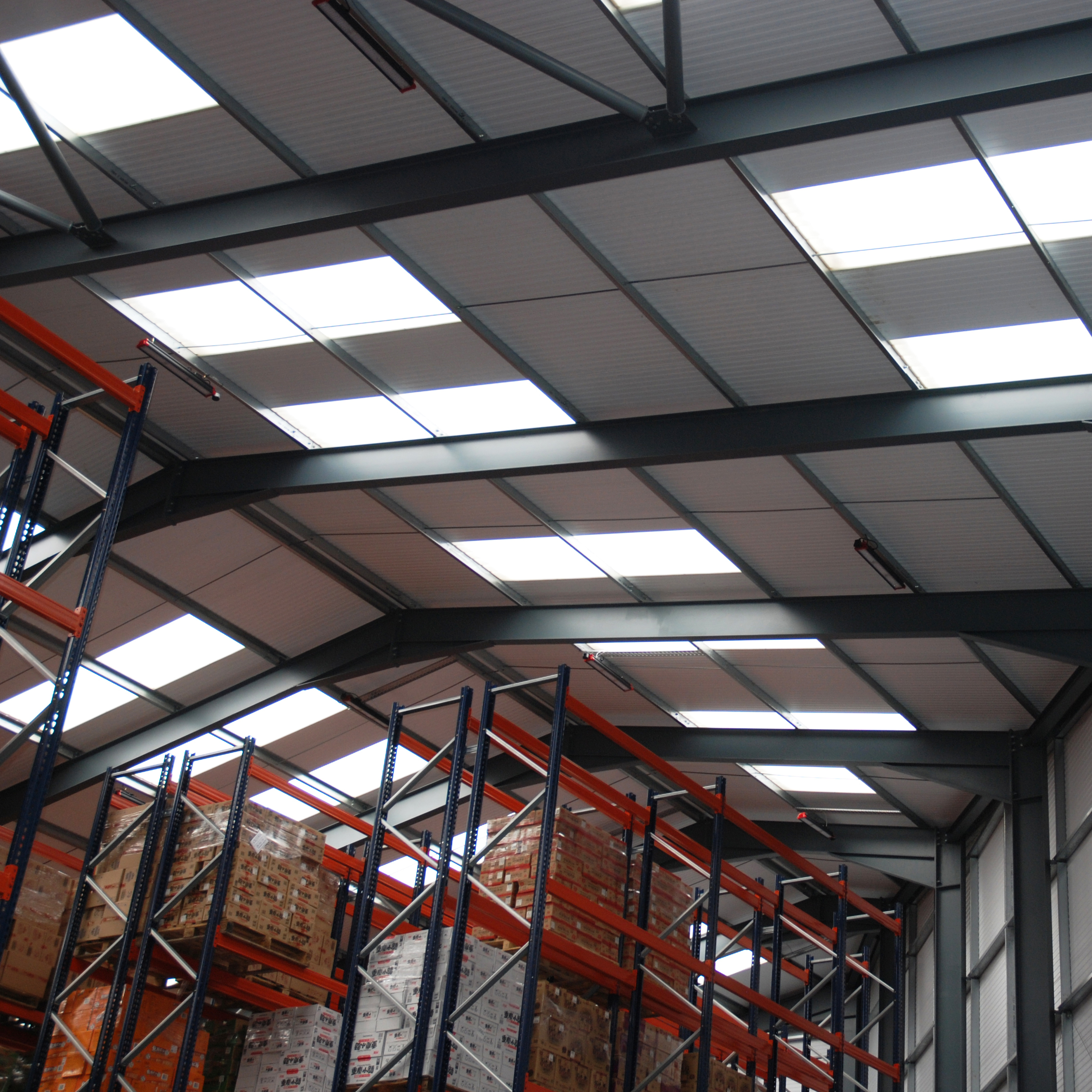
That’s one of the reasons steel-frame construction remains the preferred choice for warehouses, manufacturing units and other large-scale projects.
Speed Matters
Steel frame buildings go up quickly. The structural components are manufactured off-site, delivered ready to install, and erected efficiently. That shortens the programme and reduces time on site, which is often critical in areas with tight access or neighbouring businesses.
For developers and business owners, shorter build programmes mean earlier occupation and faster return on investment.
Strength Without Complication
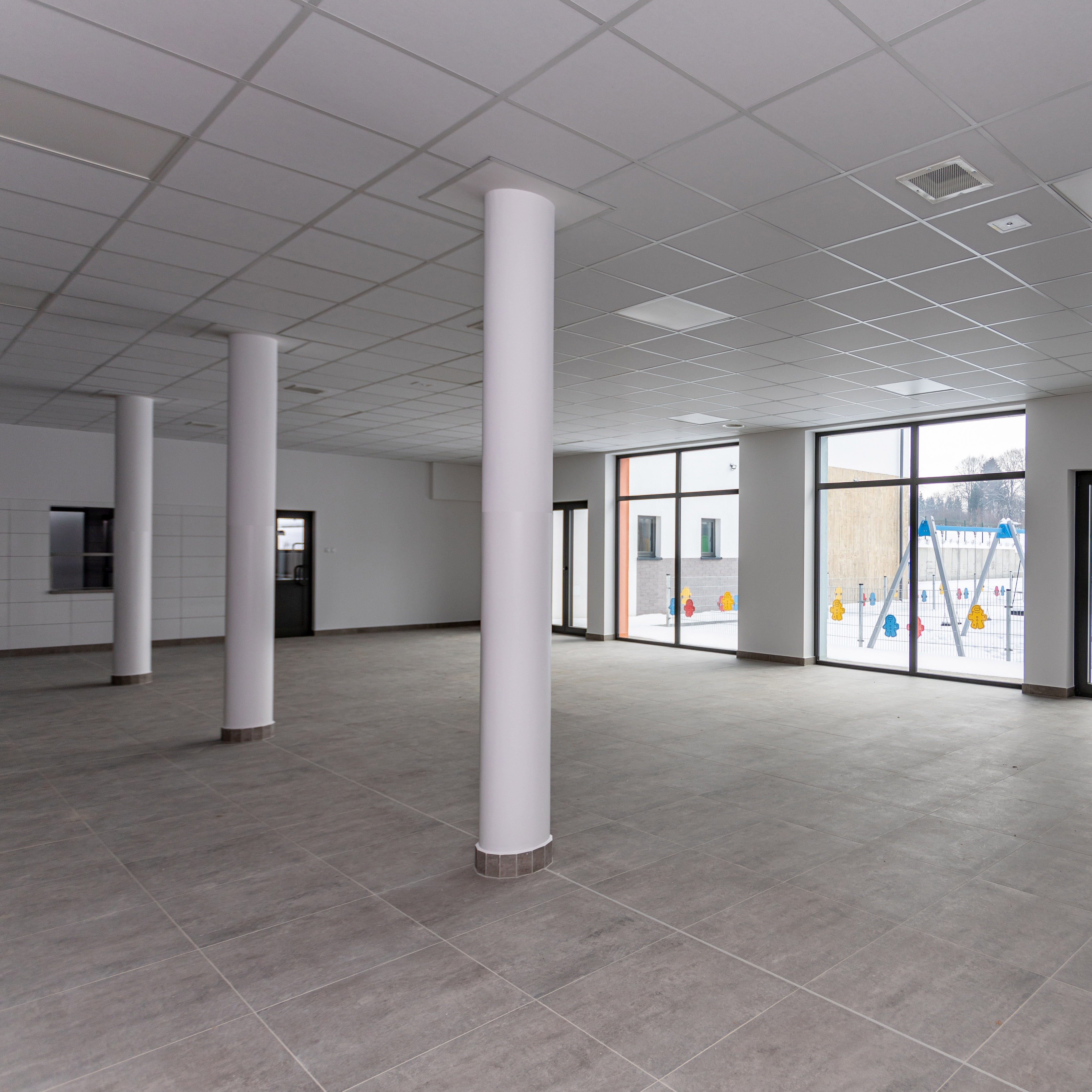
Steel can create large areas without the need for multiple internal columns, providing more floor space and, in turn, more options for the interior fit-out. For warehouses, manufacturing units and logistics buildings, this kind of flexibility is essential. It means that the layout can adapt as the business grows and needs may change over time.
You’re not fitting your business around the structure; it’s working around you.
Planning and Predictability
Local authorities across the South East expect well-considered design, sustainable performance and good site management. The type of materials, such as cladding or specific fireproofing, is often subject to building control or planning decisions, so experience is extremely helpful in this context.
Steel frame construction is well understood by planners, engineers and building control. That understanding reduces uncertainty and can lead to quicker approvals, which, in turn, means a smoother design and approval process.
When projects need to move quickly and steadily, predictability matters.
Cost Control
No build is immune to market pressures, but steel frame construction offers a high degree of cost clarity early on. Quantities are measurable. Design is precise. Programmes are structured. This is because a good understanding of the quantities and types of materials used at the outset makes estimates realistic.
When a contractor manages a project professionally without promising the earth but basing estimates on previous experience, there should be fewer surprises later. Commercial and industrial buildings need to last. They must cope with heavy use, changing requirements and evolving business needs. Steel frame structures provide durability and adaptability without unnecessary complexity.
At Carnegie Group, we design and build steel-frame commercial and industrial buildings across the South East.
We keep the process straightforward, manage each stage carefully, and focus on delivering buildings that work as intended.
If you’re planning a development and want clear advice at an early stage, we’re always happy to have a conversation and a complementary site visit.
Just visit our website for more details – www.carnegiegroup.co.uk