


The imposition of VAT on private schools could lead to ‘carnage’ in the summer holidays, says a sector specialist. Following a government decision, fees at the UK’s 2,500 private schools have been liable for 20% VAT since January 1st.
However, because the measure was introduced mid-academic year, with most schools raising their fees, its full effects have not yet been felt.
The Easter holiday period is crucial for private schools as most parents are required to give a term’s notice if they are to withdraw a child and so will be on the verge of making difficult decisions, the collective consequence of which will only become fully visible in the run up to the new academic year in September.
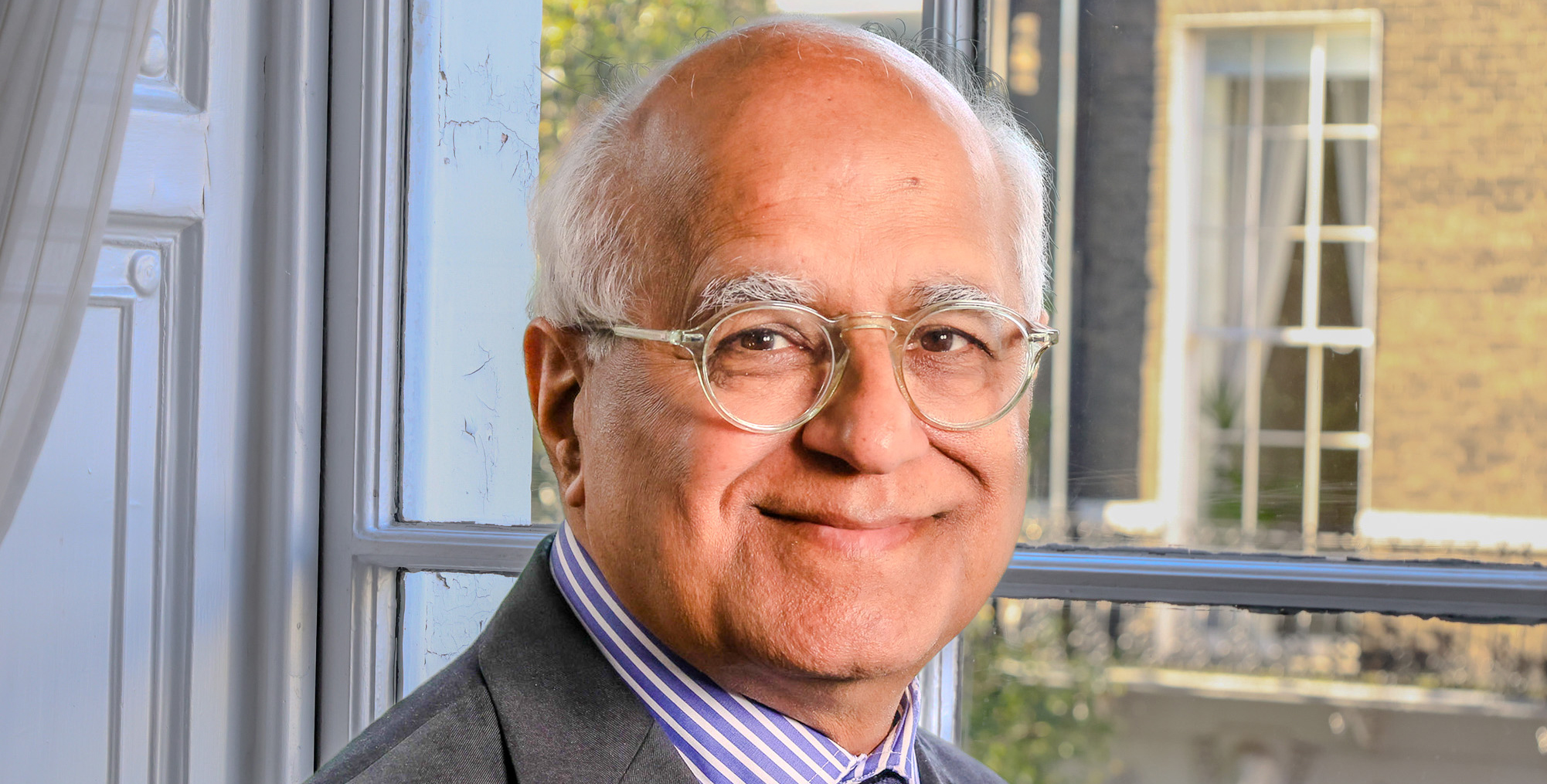
Duncan Swift, partner and business restructuring, turnaround and rescue expert at UK top ten accountancy firm Azets, said: “It will be over the summer holidays that the potential carnage in the private school sector, which educates approximately 615,000 children, will become evident, particularly for those in regions away from London and the south east.
“The slab tax imposition of VAT appears to have been driven by ideology rather than an effort to maximise the tax take whilst minimising the damage it would cause to this economic sector.
“If there had been consultation and the VAT imposition had been scheduled for the start of the academic year in September – the natural change point of the production cycle – and introduced gradually, say 5%, 10%, 15% before going to the full 20% over a number of years, it would have made more sense.
“We are currently in the midst of a phoney war with regard to demand because imposition mid-school year didn’t really leave parents with anywhere to go, as pulling their child out of school midyear would have significantly disrupted their education.
“Schools are now scrambling to get early confirmations of pupil numbers for September and are facing shortfalls on admissions at present because a significant number of parents remain undecided.
“There was much debate among schools about whether to pass on the VAT cost to parents, and most did. Some immediately applied the full 20%, others have gone for 10-15%, while some sought competitive advantage by absorbing some or all of the increase and hoping to pick up fallout from other schools.”
Private schools are also seeking to cope with other cost increases. Since April 1st, charities in England have no longer been eligible to claim charitable rates relief and are now required to pay their full business rates liability. All face increased employers’ National Insurance costs, also from April.
Duncan added: “I know of at least six schools which have closed, citing the VAT imposition as making their business model unworkable. We will likely see more closures, mergers, school consolidations, asset sales and property repurposing before the dust settles.
“We are aware of a number of schools which have agreed to merge into school consolidator businesses that are taking the opportunity to buy established schools for fairly low cost, grouping them to get management and back-office provision – HR, payroll, accounts, economies of scale, sometimes with private equity behind them.”
Duncan’s advice for schools is to have a roadmap for negotiating the challenges, which includes remaining agile at all times, planning for all scenarios, changing tack according to their key performance indicators, considering property options, and potentially consolidating to core operations.
“Private education, rightly or wrongly, for the UK is a significant economic activity with more than 600,000 pupils funded by parents’ own money, which pays the wages of many teachers outside of the state system. It is a model which has had significant export success. It is regrettable that HM Government chose to damage it in this way.”
A High Court challenge to the Government’s imposition of VAT on all education services, vocational training and boarding services supplied by a private school for a charge for certain cohorts of pupil was held in early April. Judgment was reserved after a three-day hearing.
The government had forecast that imposing VAT on fees would result in 37,000 pupils leaving the private sector, representing about 6% of the current private school population, although Duncan said papers shown to the High Court indicated this would be more like 56,000, approaching 10% of the total.
School Management Plus reports that 18 UK independent schools have announced plans for closure or possible closure since January 1st, but says it is too early to judge whether this rate of closures is in keeping with long-term trends or specific to 2025.
The Government says it is estimated that extending VAT to private school fees will raise £460 million in 2024/25, rising to £1.51 billion in 2025/26.
HMRC has published guidance for schools on whether they need to register for VAT, and how schools should charge and reclaim VAT on goods and services related to private school fees.
Azets, which works closely as a trusted advisor across the education sector, says private schools should seek professional advice and act swiftly and decisively on the VAT issue.
www.azets.com/en-uk