


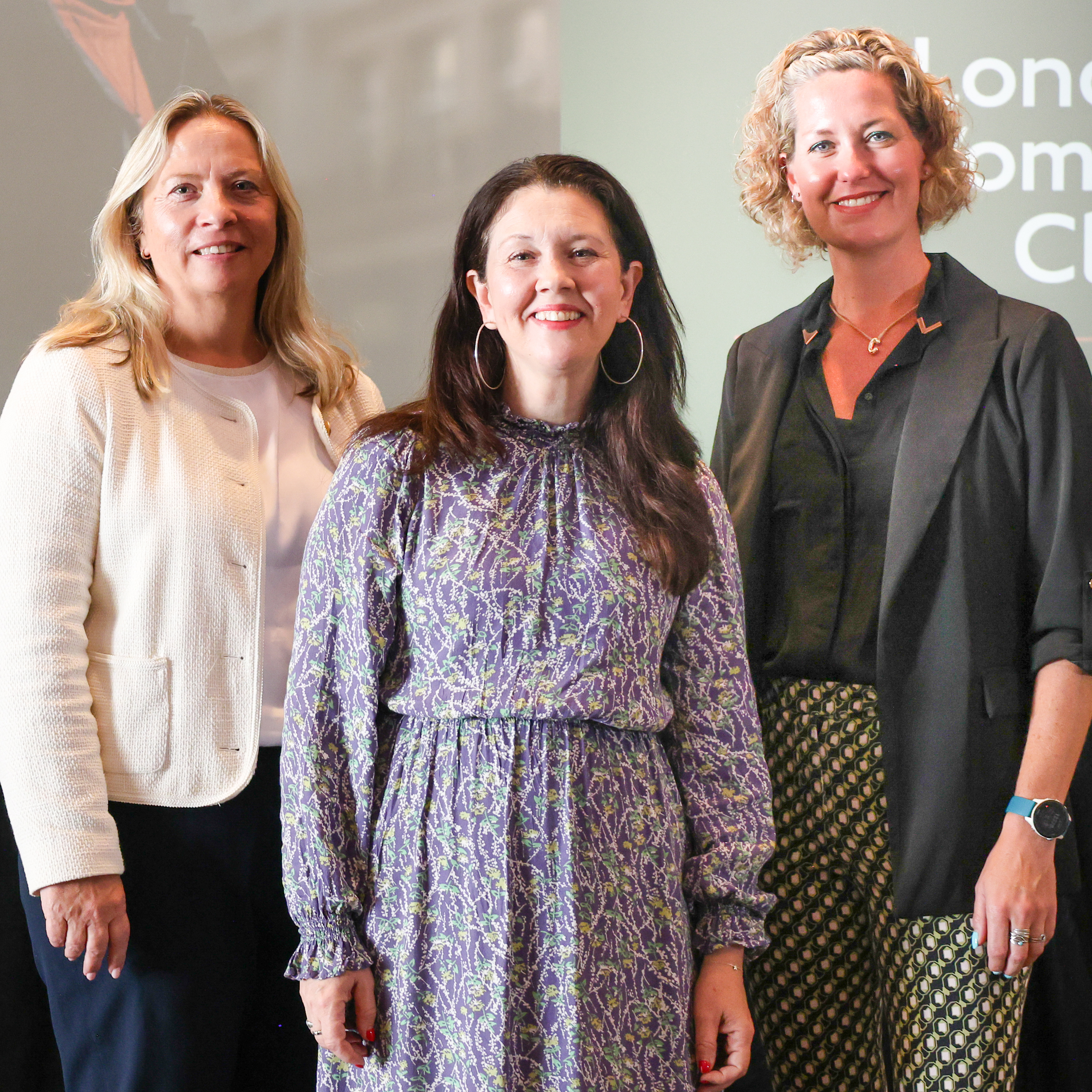
On the morning of September 7th, I welcomed a room full of businesswomen to something rare: a few hours that belonged entirely to them.As host of the first Her Future Self: Women, Wealth and Wellness event at The Grand Brighton, my hope was simple: not another task, but permission to slow down and take stock.
Through keynote talks, expert Q&As and conversations over coffee, four speakers offered four ways to care for yourself: a nervous system reset, fertility guidance, emotional support and a financial checklist. Here is what our attendees took away.
The Micro Reset Method
Camille Pierson, founder of The Float Spa, opened with what she calls the Micro Reset Method: three small habits that take only a few quiet seconds, wherever you are.
1. The physiological sigh: two inhales through the nose, one long slow exhale through the mouth, repeated for about thirty seconds.
2. The ten-second transition: a brief pause, feet on the floor, one slow breath, before stepping through the door, opening the laptop or picking up the phone.
3. Protecting your drain: identifying whatever is depleting your energy that week, and treating the fix as ‘fixed and essential’, the way you would treat a meeting with your boss.
The Float Spa has been around since 2015 and was developed by Camille because she wasn’t very well herself, and she used flotation therapy to overcome her own PTSD, anxiety and depression.
Fertility, Body and Mind
Professor Nick Macklon, Medical Director at London Women’s Clinic, spoke about everyday steps supporting fertility over time: eat a Mediterranean-style diet; maintain a healthy BMI; avoid smoking and vaping; limit alcohol intake; consider a fertility health check if you are unsure where you stand
“Stress is actually very healthy but it is understanding stress that really matters.”
Camille Pierson
I followed with a softer, more personal note on the emotional side of fertility. Drawing on research from Jacky Boivin, I spoke about stress often being a reality of fertility treatment but one that doesn’t impact success rates once in a clinic. My key points to support you on the journey:
• Build a nurturing toolkit
• Support your mind, body and soul
• Balance fertility and work
“Small, consistent changes can make a meaningful difference over time”
Professor Nick Macklon
What They Did Not Teach You in School
Closing the morning, Samantha Kaye, Wealth Management Partner at True Potential Wealth Management, offered a different kind of self-care: financial peace of mind. Her five priorities for every woman’s financial wellbeing were:
1. Income
2. Life insurance
3. Wills and power of attorney
4. Savings and ISAs
5. Pensions
Financial education many of us never received at school, a starting point rather than a finished plan.
Looking Ahead
By the end of the morning, I had reconnected with old friends, made new ones, and taken away plenty myself. Finance, fertility and stress are closely connected: financial worries affect stress levels, and stress in turn affects fertility. Bringing that mix together felt like exactly the conversation Brighton needed.
Mental health is an enormous part of the fertility journey, and for me the real value was building a holistic picture of how finances, fertility and stress fit together. It is essential that women all over the country can have conversations like these.
Looking after your future self, physically, emotionally or financially, means taking small, kind and consistent steps. For many attendees, the real gift was simply permission to stop, in the middle of a busy week, and sit quietly with what their future self might need.
Her Future Self: Women, Wealth and Wellness, sponsored by London Women’s Clinic, is intended to be the first of many such mornings. I am already looking forward to hosting the next one.