


BlackRock is the world’s largest investment company. Its assets are as vast as its value.
Larry Fink sits on top of this New York-based pile. As an experienced economist and investor with over 50 years of experience, when Larry speaks, people listen. And Fink’s latest utterings are a surprise to some, and a much-needed boost to others...
THE UK IS A GOOD PLACE TO INVEST IN.
Platinum looks closer at what he means by that, plus how, in championing the UK, he risks the ire of his own President.
BlackRock, the world’s largest investor, has been buying billions of pounds of UK assets that it believes are “undervalued”.
Larry Fink, chairman and chief executive of BlackRock, has revealed that the fund manager has been building positions in UK assets “across the board,” having been reassured by the early rhetoric from the government of Sir Keir Starmer.
“We have allocated more capital back to the UK tactically now with the belief that in the short run, the new administration is trying to tackle some of the hard issues,” he told The Times. “I think the prime minister is articulating the needs of what we have to do.”
He added that he was more confident about the investment prospects for the UK than this time last year, at the tail-end of Rishi Sunak’s administration.
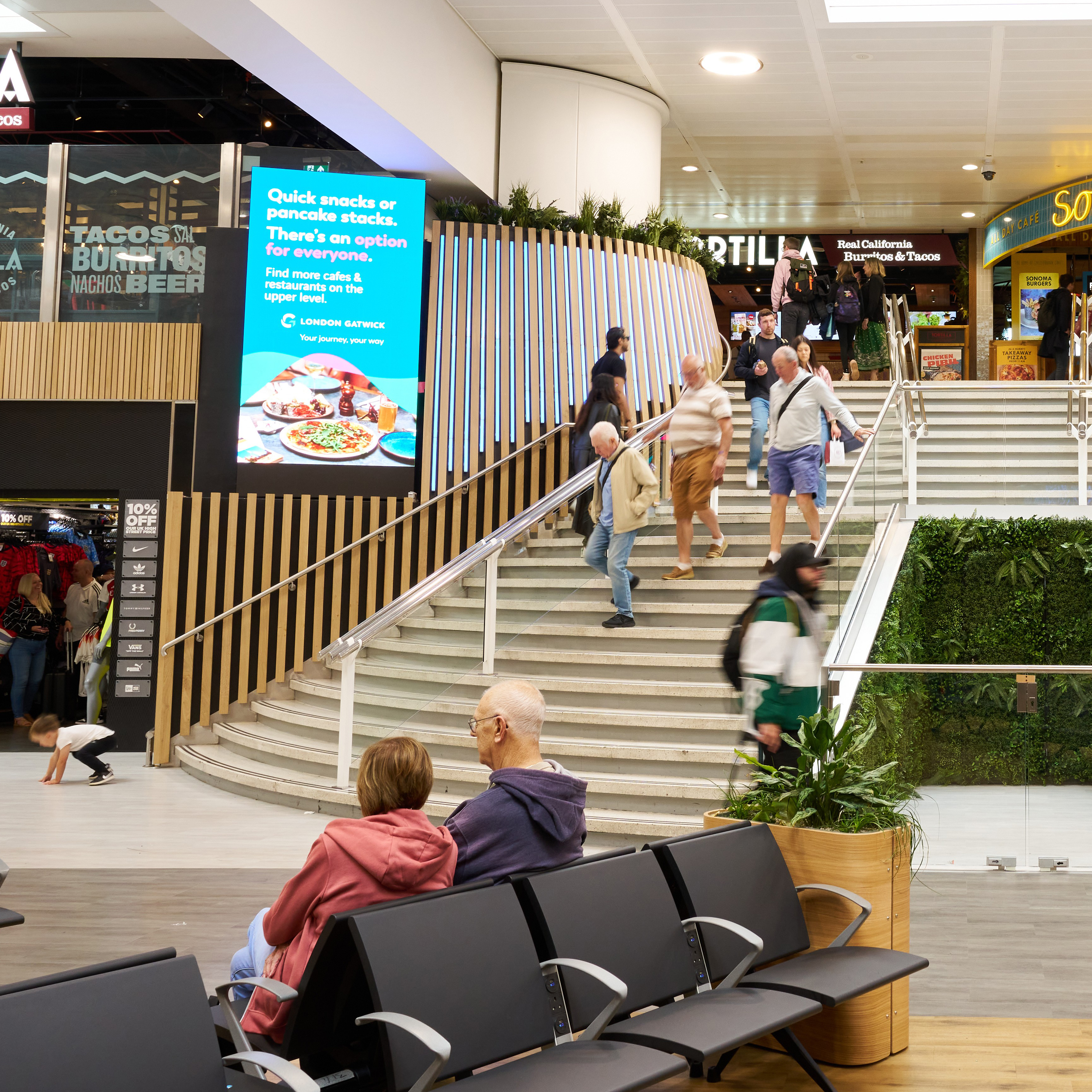
BlackRock manages $11.6 trillion on behalf of pension funds, retail clients, and sovereign wealth funds. It has approximately £570 billion of UK assets, including investments in shares, bonds, and infrastructure such as Gatwick Airport.
Fink, 72, said he was reassured by what he said was “a capitulation moment” across Europe — including in the UK — where governments recognised that their problems were so severe that there had to be a change of path and more emphasis on growth.
“It just resonated with me — that there are so many fundamentally strong attributes about the UK and Europe and they’ve been so smothered by over-regulation, by too much control,” he said. “And to me, it was just very clear we were at a capitulation point.”
He pointed to the increased speed of decision-making at the Competition and Markets Authority as an example of a more pro-growth agenda in Whitehall. “I don’t know what’s changed it, but it’s a good change.”
He also said that one of the attractions of UK assets was that they were so cheap. “So many of the UK stocks’ discounts were too deep, especially in the banking system. Look at the rebound in the valuations of NatWest and Lloyds and how they bounced.” St James’s Place, another FTSE 100 stock, was another “excellent rebound”, he said.
“We added to our positions across the board with the idea that we believe the market was discounting too much negativity,” Fink said. “And we believe the negativity was probably not warranted.”
He acknowledged that some British business leaders were not so confident, discouraged by the government’s recent imposition of higher employers’ National Insurance payments and the pushing ahead of legislation to increase employee rights.
“I’ve heard that message, but I’m looking at the bigger macro picture and, you know, there are so many opportunities investing in infrastructure here in this country.”
In a wide-ranging interview he gave to The Times, Fink described the market volatility created in the past few weeks by President Trump’s unpredictable plans for tariffs and his attacks on the US Federal Reserve chairman, Jerome Powell, as chaos. “There’s so much greater uncertainty… but our job is to look through the chaos and find opportunities.
“Markets are telling us that we could see recession [in the US] in the short run,” Fink said. “And markets are also now becoming a little more fearful that we’re going to see rising inflation.”
‘Frightened’ money is being wasted
Sitting below an Edward Seago painting of Battersea Power Station, Fink is extolling the virtues of investing in infrastructure. “There are so many opportunities here in this country,” says Fink. “Too much ‘frightened’ money was sitting unproductively in bank accounts when, with a bit more optimism, it could be channelled into projects such as power grids, railways or AI data centres,” he says.
The painting, which adorns the wall of the meeting room on the 13th floor of the BlackRock office in the City of London, is a reminder of the long-term nature of investment. Construction of Battersea started in 1929, while the final phase was not completed until 1955.
It’s not the kind of timeline Fink likes to sit on, with the UK authorities needing to be faster than that today. “There’s an urgency to make these decisions so we can then get the economy unlocked and we can put more investment dollars to work,” Fink says. “If you know you have to wait one year to get a decision versus five years or ten years, it really transforms the investment return.”
He was in London to investigate opportunities, and he sees plenty of them. He’s unrattled for a man who has seen 15%, or about $19 billion, wiped from the value of his fund management company in the past two months as markets have been sent diving by the unpredictable President Trump.
Fink on Markets
The present market turbulence, which he believes reflects growing fears of a recession and rising inflation in the United States, may not matter in the short term, but will if it continues.
“One day doesn’t matter. One week doesn’t matter. Over time, it will start to matter. That’s why I love markets: they don’t lie. They may be wrong. Markets can always be mistaken in the short run, but in the long run, they’re never wrong.
“Markets are bigger than anybody. Markets are bigger than any one country ultimately. And so, to me, the markets are the true barometer, especially for economies that are based on deficit financing, such as the UK and the United States.
The key, he says, is looking through the noise. “I keep on trying to tell everybody at BlackRock, with chaos comes opportunity. So let’s look beyond the noise. And there’s a lot of noise.”
Tariffs and inflation
Currently, the markets are indicating that the US may experience a recession in the short term, along with rising inflation, he says. Tariffs will be inflationary, as will inwardly relocating manufacturing to the US and shutting the borders to immigrants.
“We’ll see how this all plays out over the next six to eight weeks [when relevant inflation figures start to be published]. Are we going to see a spike in inflation?” He leaves the question unanswered, but is worried that no one has adequately addressed the costs of rising protectionism. “Populism is inflationary,” he adds.
A modest move towards protectionism may have some validity, but the move to higher tariffs was being made in such a radical and rapid manner.
FedERAL interference
Asked whether President Trump’s attacks on Jerome Powell, the independent chairman of the US Federal Reserve, damaged the US, Fink said: “Let’s say in the short run it doesn’t feel right. It doesn’t feel good. The most important thing is for BlackRock to make sure we’re above all that. Our job is to work with our clients above all else.”
Trump said recently that Powell, whom he appointed initially, was “a loser” and “his termination cannot come too soon” (such infantile vernacular), sending US stocks and the dollar plummeting. Still, he later rowed back, saying he had “no intention” of firing him.
Cryptocurrencies
A convert to the potential benefits of cryptocurrencies, Fink says he is “disappointed” by how they have behaved in the past few weeks. “Bitcoin is a fear asset. You own it because you’re frightened of the debasement of your currency. And there’s a lot of fear of the debasement of currency right now. So, you would have thought that bitcoin would have rallied quite a bit.” It hasn’t, or at least not until recently.
He is relieved that Trump has not thus far acquired crypto for US reserves. Fink believes that would be dangerous. “If we ever, if the world ever, believes that there is a better alternative than the dollar as a reserve currency then the dollar sanctity is in trouble.”
Birth rates
Perhaps surprisingly, Fink considers birth rates to be a key economic indicator. “There’s still a lot of money sitting in bank accounts. If we could translate that into optimism, and put that money back into building out infrastructure here in the UK and in Europe, we could build a better future for our young people and rebuild hope.
“The best expression of hope is birth rates. Let’s be clear, more and more people are having smaller and smaller families. Why is that? It’s not just because they’re hedonistic. There’s less hope.”
WORLD ECONOMIC FORUM
At the start of the year, business leaders and bankers at the annual meeting of the World Economic Forum lined up to heap praise on Trump and his promises to usher in a new golden age of deregulation and lower taxes. Fink was one of the few to strike a more cautious note.
“You always invest against the consensus of Davos. You go to Davos to learn consensus. You invest against it and you make money. I came away thinking there was too much enthusiasm towards the US; not enough focus on other places in the world. That’s what I said. We had two record years for the stock market. And everyone was saying we’re going to have a third. That doesn’t happen that often.
“There was just so much enthusiasm. Once it’s a consensus, you know it’s wrong.”