

Everybody has noticed it, there are wasps everywhere! Dodging the insects in beer gardens, barbecues and at picnics was an Olympic sport this summer, with everyone either swatting, wafting or (for the more fearful of us) running away as an ineffective way to control the wasps that descended.
We are seeing an industry-wide large increase in wasp call-outs this year, which confirms that wasp populations have risen. This year, Cleankill has had a 176% rise in wasp nest call-outs compared to 2024.
Our experts say it’s mainly due to the dry spring we had. We also had the warmest spring in 50 years, which meant queen wasps could survive and the workers could successfully build more nests and establish colonies, resulting in more wasps coming in the summer.
For many, this will be seen as bad news with wasps being the second most disliked insect in the UK (according to a YouGov survey. Spiders took the top spot despite having eight legs and not being insects). But it’s great news for the environment as wasps are natural predators and control the population of many pest insects. They are also pollinators, though their role is less significant than that of bees.
Unfortunately for our friend the bee, it has not been confirmed that there’s been a rise in their population. If anything, year on year, we are seeing a decline in bee populations, which is concerning.
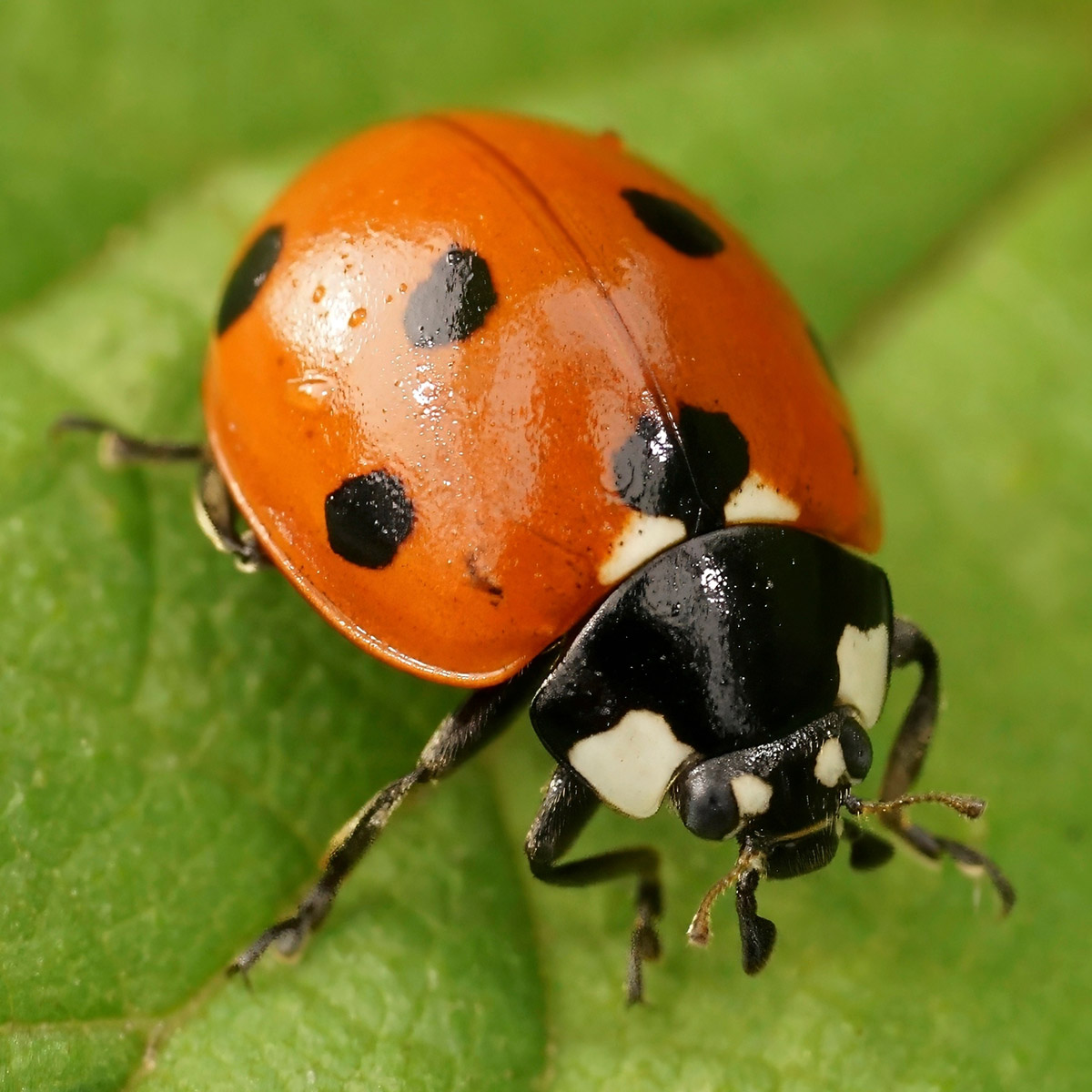
However, we have seen an increase in our other much-loved insects due to the warm weather. Ladybirds have seen a resurgence as warmer weather has led to more aphids, which are a food source for ladybirds. The warmer conditions also allow them to complete life cycles quickly, resulting in more adults.
The beautiful butterfly has been in a general decline since the 1970s, but this year has been quite extraordinary, with many different species being sighted early in the year, which is a promising sign. The 2025 Big Butterfly Count concluded on August 10th, which should confirm our predictions of it being a better year for butterflies, especially compared to last year, which was declared a ‘butterfly emergency’ when the lowest numbers were ever recorded.
So, overall, it has been a successful year for insects. As we learn how crucial insects are to our environment, it’s vital we learn to live alongside them. We only remove wasp nests when they pose a danger to health, as wasp stings can be fatal for some. That’s why, if you do have a wasp issue in or around your property, it’s vital to call in a trained professional to deal with it safely and efficiently. Give one of our friendly team members a call today: 020 8668 5477.
All of Cleankill’s staff are highly trained and offer an exceptionally fast and efficient level of service. The company is proud of being approved to ISO9001 and ISO14001 while Cleankill’s certification as an Altius Elite Vendor places it among a select group of service providers in the country.
Cleankill is also fully accredited to the Safecontractor, Constructionline and Achilles Health and Safety schemes and aims to be recognised as a market leader for innovation and new pest control techniques. For further information, go to www.cleankill.co.uk or call 0800 056 5477.