


Capital Allowances may be governed by legislation, but in practice, they are shaped just as much by case law. This is where Elect’s expertise sets us apart.
Our approach is rooted in a deep understanding of the judicial principles that define what does and doesn’t qualify as “plant,” from Victorian-era rulings to the most recent tribunal decisions. By grounding our analysis in the same legal reasoning that underpins HMRC’s interpretation, we help clients secure claims that are not only maximised but also technically robust and fully defensible. In a landscape where the smallest distinctions can unlock significant tax savings, Elect turns complex precedent into a clear commercial advantage.
When most discussions about Capital Allowances reach back to Yarmouth v France (1887), it’s often treated as a foundational case. But here’s the interesting truth: it wasn’t a Capital Allowances case at all.
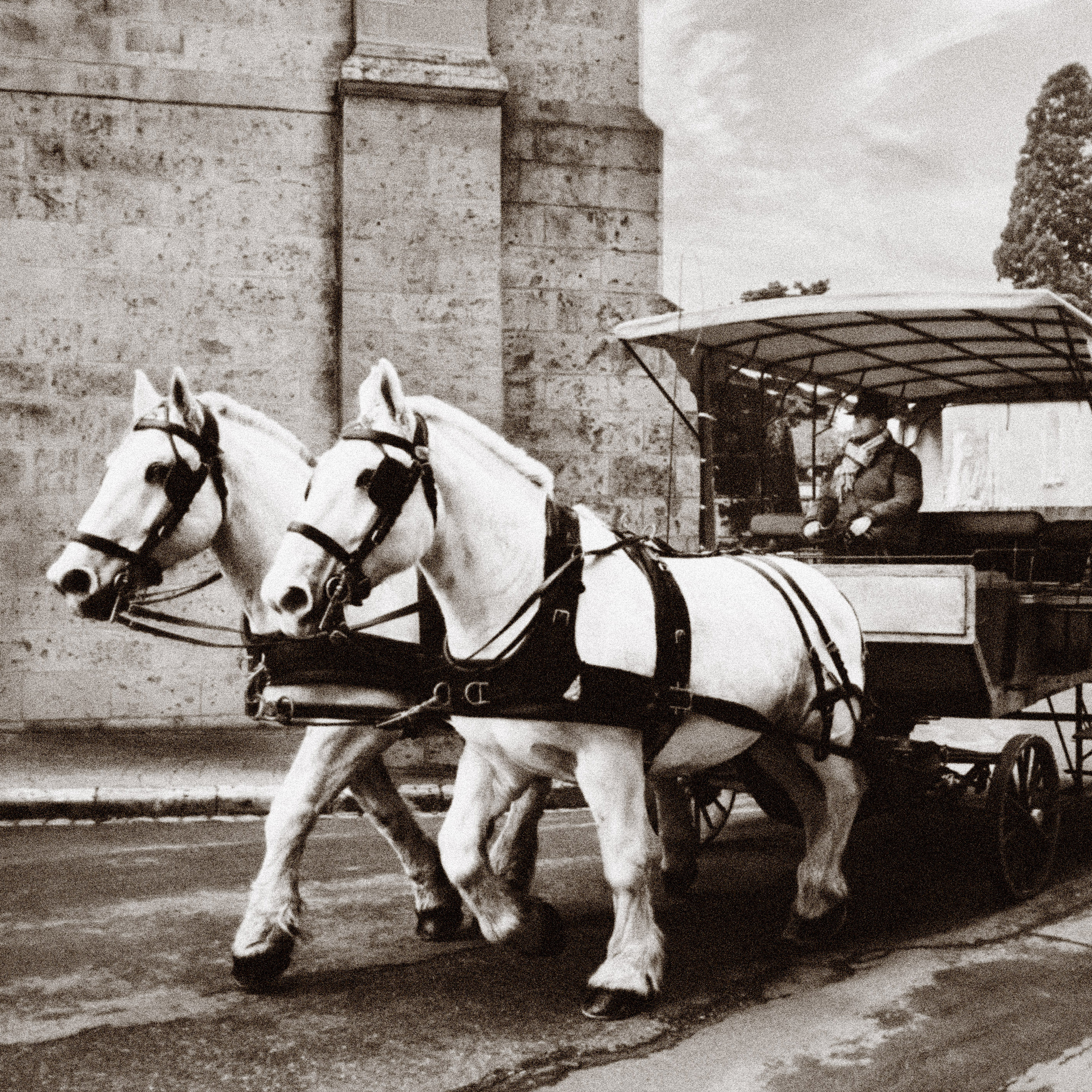
The case originally concerned an employer’s liability for an employee’s injury, and whether a horse used in the business could be considered “plant”. The Court of Appeal’s landmark definition stated that “plant” includes: “Whatever apparatus is used by a businessman for carrying on his business, not his stock-in-trade.”
Though this ruling predated Capital Allowances legislation by decades, it established the conceptual line that underpins every modern claim:
• Plant and machinery – eligible for Capital Allowances
• Stock-in-trade or setting – not eligible
In other words, Yarmouth v France created the intellectual foundation for how we still distinguish functional business assets from their premises today.
How the Yarmouth Principle Evolved
Subsequent decades of case law have refined what qualifies as “plant”, but all trace their logic back to Yarmouth v France. Some of the key milestones include:
IRC v Barclay, Curle & Co Ltd (1969): Confirmed that even structural fixtures, such as those in a dock, could be “plant” if they served an operational purpose.
Wimpy International Ltd v Warland (1988): Showed that restaurant fit-outs could qualify for allowances where they helped the business function, not just form part of the premises.
Scottish & Newcastle Breweries Ltd v Raggett (1982): Explored where to draw the line between plant and building elements within hospitality properties.
May & Anor (t/a Pegasus Birds) v HMRC (2019): A modern example of how fact-sensitive Capital Allowances remain — especially regarding an asset’s purpose and permanence.
These cases and the legislation they’ve shaped demonstrate how a 19th-century judgment still drives real financial outcomes for today’s property owners and investors.
Turning Legal Legacy into Financial Advantage: How Elect Can Help
At Elect, we help businesses translate that 130-year legal legacy into clear, defensible, and valuable Capital Allowances claims. Our role is to ensure that what qualifies as “plant” for your business is properly identified, substantiated, and optimised for maximum tax efficiency.
Our multidisciplinary team combines specialist tax knowledge, legal expertise, and sector-specific insight to deliver results across a range of scenarios, including:
• Property acquisitions and refurbishments – uncovering qualifying expenditure often overlooked in standard accounting reviews.
• Complex and retrospective claims – building robust technical positions and handling HMRC discussions with precision.
• Land remediation and energy-efficient investments – leveraging every available relief to enhance your return on investment.
Because every business operates differently, our approach mirrors the spirit of Yarmouth v France: understanding how your assets function within your specific commercial context. That’s where opportunity lies — and where we help you capture it.
The Takeaway
Yarmouth v France might not have been a Capital Allowances case, but its legacy defines them. At Elect, we take that principle off the page and into practice — helping clients turn nuanced legal definitions into measurable tax savings and stronger financial performance.
Visit electca.co.uk to see how we can help you unlock the full value of your commercial property investments.
Email: hello@elect.tax