


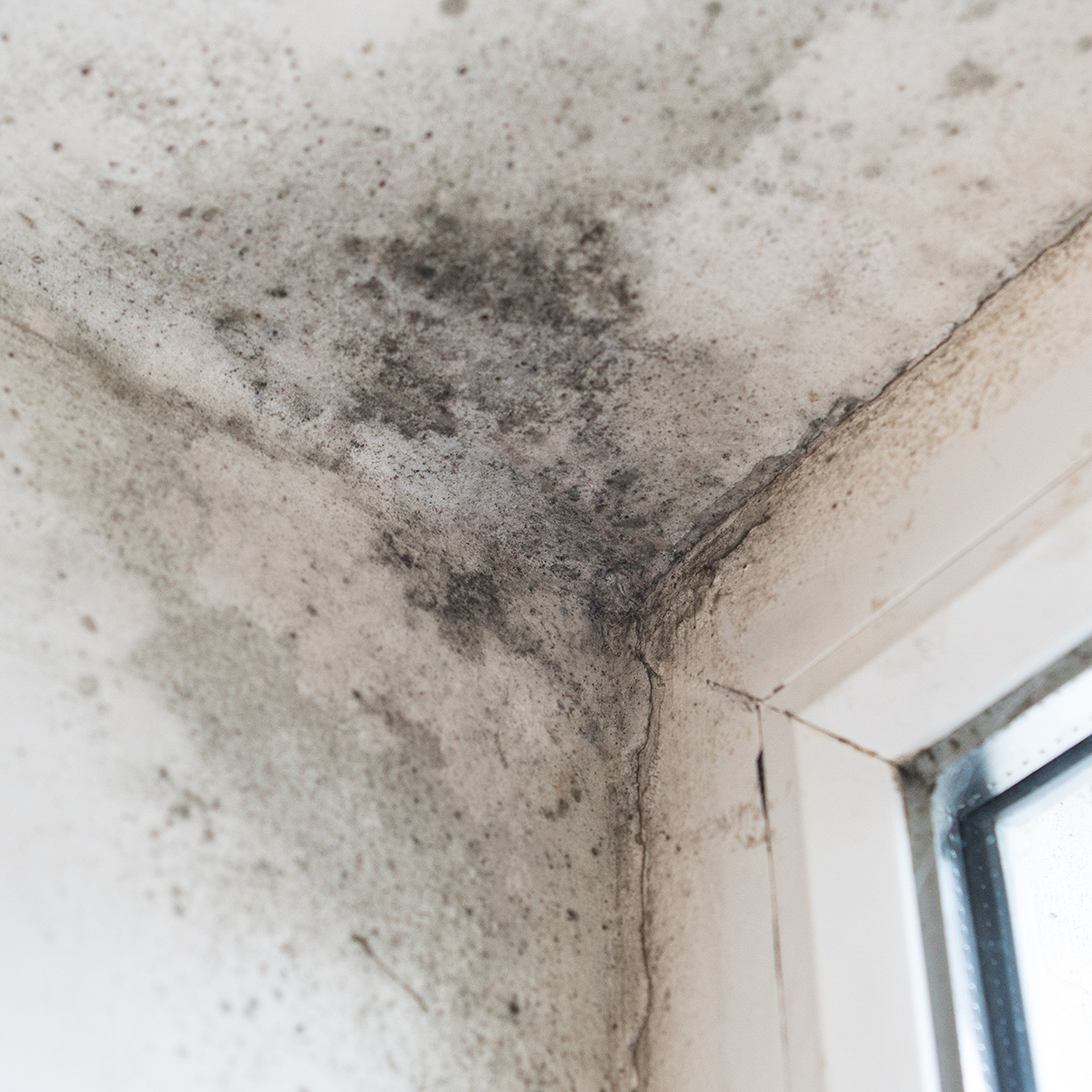
The introduction of Awaab’s Law marks one of the most significant changes to housing standards and landlord responsibilities in recent years. Named after two-year-old Awaab Ishak, who tragically died following prolonged exposure to mould in his family’s social housing flat, the legislation is designed to ensure that tenants living in unsafe or unhealthy conditions receive prompt action from landlords and housing providers.
While many landlords are already aware of the law’s focus on damp and mould, fewer realise that the regulations are being introduced in stages and will soon extend much further.
The first phase, which came into force in October 2025, introduced strict timescales for investigating and remedying dangerous damp and mould issues as well as emergency hazards. However, the second phase, which comes into effect in October 2026, will significantly broaden the scope of the legislation.
Landlords and housing providers will also be required to respond within defined timeframes to hazards, including pest infestations, excess cold and heat, fire and electrical risks, hygiene concerns and structural safety issues where these present a danger to tenant health. A third phase, due in October 2027, will expand the law further to cover virtually all remaining Housing Health and Safety Rating System (HHSRS) hazards, except overcrowding.
For landlords and property managers, this represents a major operational and compliance challenge.
Pest infestations, in particular, are increasingly recognised as a serious housing and public health issue. Rodents, cockroaches, bed bugs and flies are not simply an inconvenience; they can spread disease, damage property and severely impact mental wellbeing. In many cases, infestations are also symptomatic of wider structural or environmental problems such as defective drainage, poor waste management, water ingress or inadequate maintenance.
The scale of the issue was highlighted recently in a report by the Property Care Association, which revealed that homeless families were placed in temporary accommodation affected by serious pest infestations. The report underlined growing concerns around housing standards and the urgent need for faster intervention when problems are identified.
Under Awaab’s Law, reactive property management will no longer be enough. Landlords will need clear reporting systems, documented inspections, reliable contractor partnerships and robust audit trails demonstrating that hazards are being addressed within the required timescales.
Property managers should already be reviewing their procedures ahead of the 2026 and 2027 phases. Regular inspections, preventative maintenance programmes and rapid-response pest control support will become increasingly important in demonstrating compliance and protecting tenants.
At Cleankill Pest Control, we are already working with landlords, housing associations and facilities management companies to help prepare for these changes. Prevention, monitoring and early intervention are always more effective and far less costly than dealing with large-scale infestations and potential enforcement action later.
Awaab’s Law is ultimately about accountability and raising standards across the housing sector. Those organisations that act now will be in the strongest position when the next phases of the legislation come into force.